Dallas Sports Massage and Scalp Care: Total-Body Recovery for Active Lifestyles
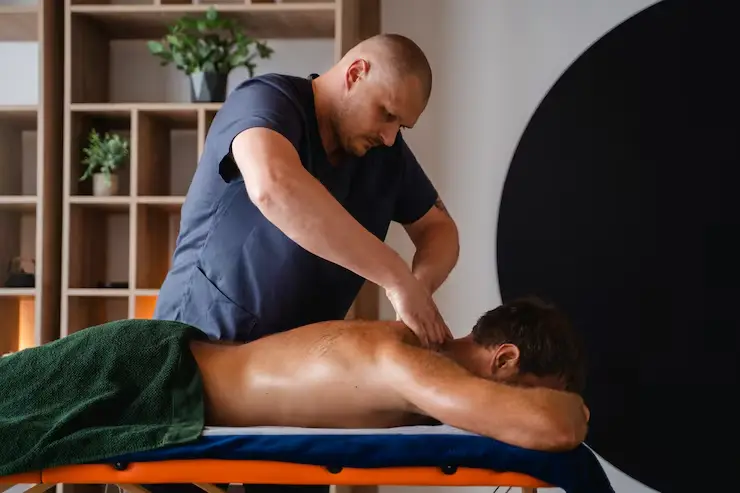
Training in North Texas means working with the heat, and a Dallas sports massage is one of the smartest ways to help the body bounce back from it. Whether you run the trails, cycle the lakeside routes, swing a golf club, or play pickleball with friends, your muscles earn rest. At The Nook Spa, we pair athletic bodywork with something many athletes overlook: the head and scalp, where tension quietly accumulates from caps, helmets, headphones, and clenched effort. This guide explores how both approaches work together for full-body mobility and calm.
Training Through Texas Heat: Why Recovery Looks Different Here
Hot, humid conditions ask the body to work harder, and muscles can feel tight, heavy, or fatigued afterward. Recovery in this climate is about restoring comfort and range of motion so you can return to your activity feeling fresh.
Soft Tissue Flexibility Under Load
Repeated movement shortens and stiffens soft tissue, including muscles, tendons, and fascia. Sports massage uses compression, stretching, and rhythmic strokes to encourage tissue to feel more flexible. Guests often describe a looser, smoother stride or swing afterward.
Active Movement Restoration
Beyond kneading muscle, many sports sessions incorporate gentle, assisted stretching and joint movement. This approach helps guests reconnect with their full range of motion, which is valuable for runners, cyclists, and anyone who repeats the same motion again and again.
What Makes Dallas Sports Massage Different From a Relaxation Session
A sports session is purposeful. The therapist begins by asking about your activity, goals, and any areas of concern, then tailors the work accordingly. Techniques may include deeper compression, targeted friction, and assisted stretching, all designed to support mobility and comfort. Dallas sports massage is not reserved for elite competitors; weekend athletes and fitness enthusiasts benefit just as much from thoughtful, focused care.
Matching Technique to Activity
- Runners: Focus on calves, hamstrings, hips, and feet.
- Cyclists: Emphasis on quads, hip flexors, lower back, and neck.
- Golfers and racquet players: Attention to shoulders, forearms, and rotational muscles through the torso.
- Strength trainees: Work through large muscle groups and areas that feel heavily loaded.
The Head-Neck Link Athletes Often Miss
The head is a heavy structure balanced on the neck, and tension there travels. Clenched jaws during effort, caps pressed against the scalp, and helmets that sit tightly can all contribute to a feeling of cranial tightness. This sensation can pull on the neck and shoulders and make the whole upper body feel restricted.
Cranial Tension Release
Gentle work around the scalp, temples, and base of the skull helps soften the muscles and connective tissue in this area. Many guests describe a lightness in the head and a quieter mind afterward. While the term cranio-sacral is sometimes used in wellness circles, our focus is on comfort and relaxation rather than medical claims.
Scalp Massage Dallas Guests Choose for Deep Calm
A scalp massage Dallas athletes and busy professionals book is more than a pleasant extra. It uses slow, circular, and gliding techniques across the scalp and often extends to the neck and shoulders. Because the area is dense with nerve endings, many find the experience profoundly soothing.
Scalp Micro-Circulation and Skin Comfort
Rhythmic scalp massage is associated with a pleasant warming sensation as the surface tissue is stimulated. Many guests enjoy it as a way to promote a sense of well-being and relaxation. When people search for scalp massage Dallas options, they are often seeking this blend of comfort and tension release.
Neuromuscular Resetting: Giving the Body a Fresh Start
After intense activity, the body can remain in a high-alert state even when you are sitting still. Pairing sports massage with scalp and neck work encourages the nervous system to shift toward relaxation. The sensation is often described as a reset, in which tight muscles quiet and the mind settles. That balance of physical release and mental calm is what makes the combined approach so appealing.
A Total-Body Recovery Flow
Many guests like to combine services to cover every area. A thoughtful flow might look like this:
- Begin with focused sports bodywork on the muscles you use most.
- Add neck and shoulder work to release the upper-body chain.
- Finish with scalp care to calm the nervous system and soften cranial tension.
Your therapist can customize the sequence based on your activity and how your body feels that day.
Building a Recovery Mindset for Active Lifestyles
Recovery is not a reward for finishing a hard effort; it is part of the effort itself. Athletes who treat rest and bodywork as part of their training tend to feel more comfortable and more confident returning to their sport. Approaching recovery with intention helps you stay consistent with the activities you enjoy.
Listening to Early Signals
Stiffness, heavy legs, a tight neck, or a clenched jaw are all early signals that the body would appreciate attention. Responding to these cues with supportive bodywork, rather than pushing through, helps you stay comfortable and keeps small tensions from growing.
Pairing Bodywork with Mobility Work
Massage works best alongside movement. Gentle dynamic stretching, foam rolling, and light activity help you maintain the range of motion that a session restores. Your therapist can suggest simple movements to practice at home so the benefits last beyond the treatment room.
Respecting the Texas Heat
Early mornings and shaded routes, along with sensible pacing, help the body cope with intense conditions. Pair those habits with attentive recovery and you give your muscles the best chance to feel ready for the next outing.
Hydration and Habits That Support Recovery
Heat makes hydration especially important. Drink water before and after your session, replenish electrolytes if you have been training hard, and listen to your body. Gentle mobility work and sensible rest between workouts complement what bodywork provides.
Communicating With Your Therapist
Tell your therapist about upcoming events, current sore spots, and any limitations. If you have an injury, mention it right away so the session can be adapted safely. For persistent discomfort, consult your healthcare provider.
Final Thoughts: Move Well, Rest Well
A Dallas sports massage keeps your body ready for the activities you love, while thoughtful scalp care helps release tension in the head and neck that training can create. To plan your visit, see our sports massage service page, explore the scalp massage page, or browse our neck and shoulder massage options. For a deeper dive into the mechanics, read the science behind sports massage in Dallas and our scalp massage tips.
Frequently Asked Questions
No. Weekend athletes, gym-goers, and anyone with an active lifestyle can benefit from sports massage.
Tension in the head and neck can influence how the upper body feels. Scalp care helps relax that area and brings a sense of calm to the whole session.
Some guests feel mild tenderness, similar to post-workout soreness. Hydration and gentle movement can help.
Yes. Scalp care can be enjoyed as a standalone service or paired with bodywork for a fuller recovery experience.