
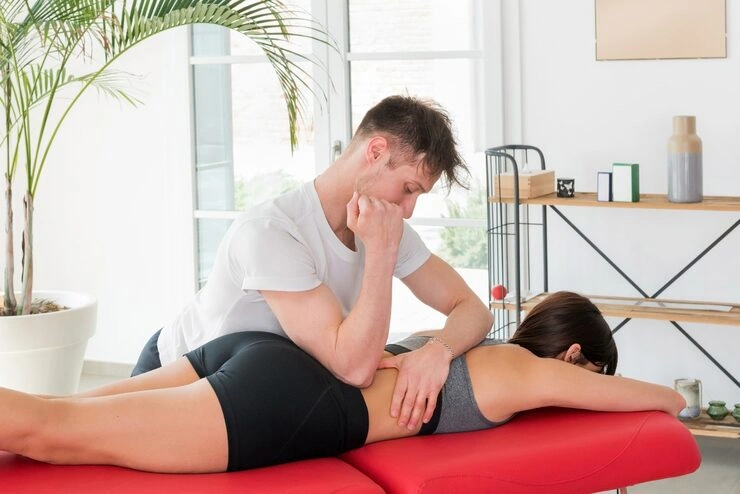
Deep Tissue vs Sports Massage in Dallas, TX: What You Need
You book a massage because something is pulling you out of your own life. Neck tight like a clamp. Hips that feel rusted. Legs that stay sore longer than they should. You open a menu and see deep tissue and sports. Same room. Different intent. This guide makes the choice clear and keeps you from paying for the wrong kind of pressure.
The Nook Spa offers both deep tissue and sports massage in Dallas, TX. Their deep tissue service concentrates on easing muscle tightness, worry, and long-term discomfort with expert therapists in a tranquil setting. Their sports massage service emphasizes tailored attention for competitors and lively individuals, with unique appointments and certified therapists.
Key Differences, Plain Language
Deep tissue is solely about profoundness and persistent tightness. Sports massages are solely about use, motion, and getting better. Both can help elasticity, lessen rigidity, and assist you in mending between exercises, which are frequent gains linked with massage therapy.
Deep Tissue Massage Dallas, when it fits
Deep tissue is slow. Pressure is purposeful. It is frequently picked when the problem seems old and local, like one shoulder that never lowers or a low back that gets tight every time you sit. The Nook Spa frames Dallas Deep Tissue Massage around releasing tension and easing chronic pain patterns.
Sports Massage in Dallas, TX, when it fits
Sports massages are usually more dynamic. It can include focused work plus stretching and range of motion attention, because the goal is how you move next, not only how you feel right now.
It may help with flexibility and delayed onset muscle soreness. Massage after strenuous exercise can reduce DOMS and support recovery.
It matters.
What a Session Feels Like, Start to Finish
Most people worry about one thing. Will it hurt, and will I regret it tomorrow? A good therapist prevents both outcomes by asking better questions at the start, then adjusting in real time.
Expect a short check-in about your training, your work posture, old injuries, and what you want out of today. You can say “lighter” or “firmer” without apologizing. You can also set boundaries like “no work on my feet” or “avoid my lower back today.” Clear instructions make the session safer and more effective.
During deep tissue, the therapist often slows down and stays with a tight band until it softens. You may feel intense pressure that is still controllable. During sports work, pressure can change more often, and the therapist may pair tissue work with gentle stretching or movement-based work, because function is the goal.
After either style, drink water and move a little. A walk helps you feel less stiff later.
Pain Level Comparison
Deep tissue often feels more intense because it stays longer in one tight zone and works deeper layers. Sports massage can still be uncomfortable, especially on sore muscle groups, yet it usually shifts around more and keeps the session recovery oriented.
If you feel sharp pain, numbness, or tingling, say it fast. The goal is productive pressure, not nerve irritation.
Who Should Avoid Deep Tissue or Keep It Lighter
Massage risk is generally low, yet vigorous styles like deep tissue have been involved in rare reports of serious side effects, especially for people already at higher risk.
Rare serious harms like blood clots, nerve injury, and fractures, and it flags vigorous techniques in that discussion. Some conditions call for precautions around massage therapy.
Be cautious with deep pressure if you have:
- a known or suspected blood clot or a history of DVT
- bleeding risks or blood thinners, plus easy bruising
- fever, active infection, or inflamed skin issues
- Recent surgery without medical clearance
- severe osteoporosis or fragile bones
Recovery Benefits for Athletes, Plus The Real Takeaway
Athletes love massage for one reason: training beats you up, and you still have to show up again. Massage can make that cycle more livable. It does not promise miracle gains, yet it supports practical benefits that matter day to day.
- less heavy soreness two days after a hard session
- easier range of motion for squats, runs, and overhead work
- A calmer body feels so recovery habits actually stick
Still, do not use massage to ignore pain that feels wrong. Pain that sharpens with impact, swelling that climbs, or joint instability needs a real assessment.
Office Workers vs Gym Goers
Office stress is sneaky. It shows up as neck and shoulder load, headaches tied to jaw tension, and hips that stop extending. Gym stress is louder. Calves tighten, glutes shut down, shoulders get cranky, and you feel sore again before you even finish laundry.
For many office workers, sports-style work can be a smart first step because it can be built around mobility and function, not only depth. The Nook Spa positions Dallas Sports Massage as tailored care for active lifestyles, and that can include the daily activity of sitting, typing, and carrying tension.
For gym goers, both options can work:
- Pick deep tissue when you have one stubborn knot that never releases
- Pick sports when you are in a hard training block and want recovery without getting wrecked
Injury Prevention, The Honest Version
People want a massage to prevent injuries. Massage can help you feel looser and move better, and sports massage may improve flexibility and reduce DOMS. That can lower strain risk when your body stops guarding.
Still, injuries are about load, fatigue, technique, sleep, and time. Massage is a support tool, not a shield.
Three Questions to Choose the Right Session
- Is the problem chronic and specific, like one spot that has been tight for months?
Start with Deep Tissue Massage Dallas.
- Is the problem tied to activity, like soreness after training, tight legs before an event, or restricted movement?
Start with sports massage.
- Do you want intensity today or recovery today?
Deep tissue leans intensity. Sports lean recovery.
A good therapist can blend. Ask. Listen to your body.
Frequently Asked Questions
No. Sports massage is often used for repetitive strain and tightness from daily activity, because it targets function and recovery.
It can, especially if you are new to deeper pressure or you went too hard on a tight area. Mild tenderness is common. Sharp pain is not.
Many people use it after tough sessions to calm soreness and restore range. There are many benefits for DOMS and flexibility, even if performance gains are not guaranteed.
People with higher risk factors may need precautions.
No. It can help you feel better and move more easily, but it does not replace strength work, mobility habits, and recovery basics.
Book the Right Session for Sports Massage in Dallas, TX
If you want the clean relief of Dallas Deep Tissue Massage for a stubborn problem, or you want a session built around movement and recovery, The Nook Spa offers both.
Call 972-267-8424, or book online through The Nook Spa website.